
Isjum: Between War and Normality
- Simon Kiwek

- 13. Jan. 2025
- 2 Min. Lesezeit
Close to the frontlines, Isjum remains marked by the scars of war. Yet, its residents are steadfastly resisting the decline of their city.

In 2022, the town of Isjum, a small city with around 50,000 inhabitants, was occupied by Russian forces for six months. During the battle for Isjum and the subsequent occupation, an estimated 1,000 civilians lost their lives, according to Ukrainian sources. The destruction was immense: approximately 80% of all buildings were damaged or completely destroyed.

During this time, Russian occupiers used places such as the basement of this building as a site for interrogations. These were not only intended to gather information but also served as a means to intimidate and suppress the civilian population. Reportedly, the Russians arrived with prepared lists of military personnel and government officials. After the city was liberated, Ukrainian investigators discovered hundreds of bodies in the surrounding forests, many showing signs of torture and violent death.
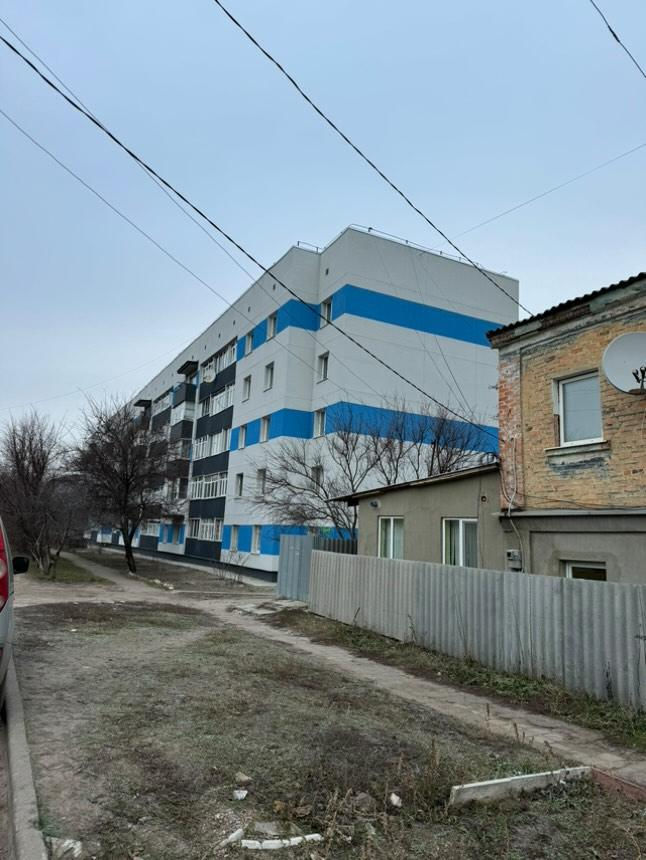


While the capital, Kyiv, and its severely affected suburbs, Irpin and Bucha, have largely erased the scars of the Russian assault three years ago, the rebuilding of Isjum has been slow. Some residential buildings, like the one mentioned above, have been rebuilt, but the devastation of many other structures and monuments remains painfully evident. Those who stayed or returned face significant challenges: rebuilding essential infrastructure, such as schools, hospitals, and water systems, is costly.

The constant threat posed by Russian forces continues to impose severe limitations on the town. Isjum's infrastructure remains heavily damaged, and access is only possible via remote backroads. Despite these challenges, the town still greets visitors with its enduring landmarks.
Located near the frontlines, Isjum experiences more than just the frequent air raids that plague all Ukrainian cities. The sounds of artillery and gunfire are a near-daily reality for its residents. Yet, most inhabitants seem unfazed, carrying on with their daily lives as best they can.

Isjum has also taken on a new role due to its proximity to the front. Young people, women with children, and friends travel from all parts of Ukraine to see their husbands, fathers, or relatives serving as soldiers in the trenches of eastern Ukraine. Cars with license plates from across the country line the streets.


Local businesses, like this Asian restaurant, defy the odds. Often operating in war-damaged buildings, they manage to keep their doors open. Cafés and small shops not only provide services but also play a crucial role in maintaining the morale of residents and soldiers alike.


Isjum also serves as a key hub for the transfer of supplies. Volunteers from Kyiv and other regions travel here to deliver humanitarian aid collected through donations. Members of the 92nd Brigade collect essential supplies: food, medicine, heating pads, power banks, and candles, all crucial for survival and morale under the harsh conditions at the front. The Third Assault Brigade of Ukrainian Special Forces, consisting of seasoned veterans of the Azov Regiment and including many foreign soldiers, also receives its share.
In most major cities of the country, far from the frontlines, a semblance of normality has returned. The residents of Kyiv are once again preoccupied with everyday concerns: work, education, health, and economic stability. In Isjum, however, the grim reality of war remains ever-present, holding the town and its people firmly in its grip.
